


To understand why your back hurts, you need to understand how our spine is structured, how it works, what functions it performs and what factors can lead to its damage.
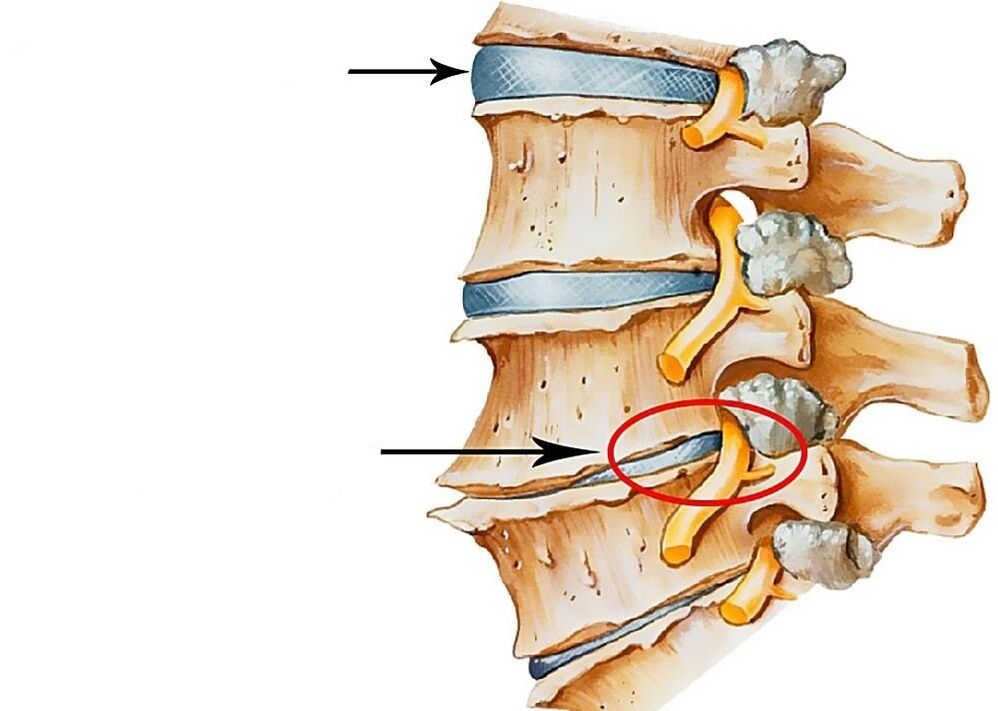
The human spine consists of 32-34 vertebrae (7 cervical, 12 thoracic, 5 lumbar, 5 sacral, 3-5 coccygeal), between which there is an intervertebral disc consisting of cartilage tissue.In the middle of the intervertebral disc there is the nucleus pulposus - a semi-liquid formation in the form of a “ball”, which performs the function of shock absorption and is surrounded by dense cartilage tissue (fibrous ring).The spinal canal, which contains the spinal cord and the nerves extending from it, runs through the entire spine.This entire structure is surrounded by muscles and ligaments.The main functions of the spine are musculoskeletal, shock-absorbing, and protective.
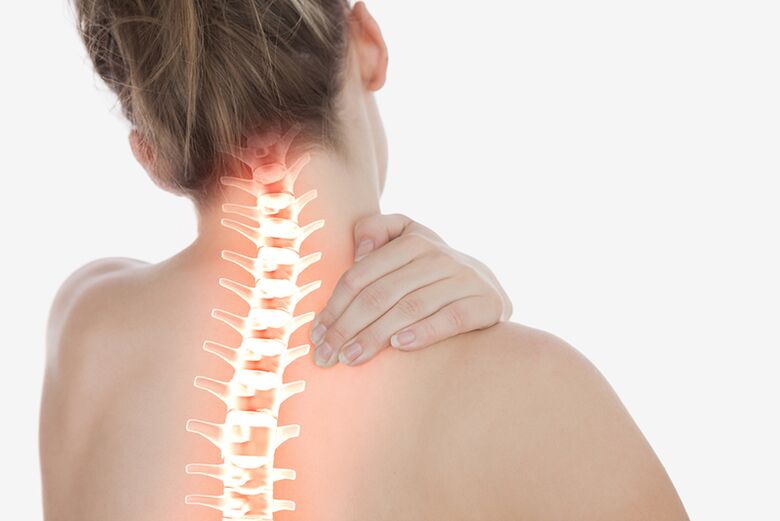
Imagine the Ostankino TV tower, which is held in a vertical position thanks to a whole system of cables stretched from the base to the top.Likewise, our spine is held in the desired position by a group of stabilizer muscles, which normally evenly distribute the load on the spine and joints.Unlike the Ostankino TV tower, our spine is more complex; it can bend in different directions and even twist, all this is possible due to the presence of an intervertebral disc, muscles and ligaments.
Every day a person makes some monotonous, repetitive movements associated with work or leisure time.If the same muscles work for a long time, they become overstrained and spasm, while other muscles at this time do not experience any stress at all and atrophy.This leads to a change in the “geometry” of the body, the load on the intervertebral disc is redistributed, spasmed muscles tighten the vertebrae, and nutrition deteriorates.With monotonous hard physical labor, the same processes occur.In addition, the intervertebral disc does not have blood vessels, and its nutrition is provided by the surrounding muscles, and during movement in the intervertebral joint, nutritious synovial fluid enters it.
Cartilage tissue consists of 80-85% water, so the drinking regime is of great importance.During the day, a person should drink at least 2 liters of clean water.If not enough water enters the body, then dehydration (drying out) of the intervertebral disc occurs, the cartilage cracks and collapses.
In my practice, I have long noted that stress, anxiety, and worries often contribute to the occurrence of back pain.Our body perceives any stressful situation as danger.At the same time, the sympathetic part of the nervous system is activated, the adrenal glands “inject” stress hormones into the blood, blood pressure rises, the heartbeat quickens, and muscles tense.In nature, if an animal is frightened of something, it runs or defends itself, accordingly, stress hormones burn and the muscles, after working, relax.Man is a social being, he began to worry more often and move less, so there is no relaxation.As a result, pain in the spine, headache, motor tics and more occurs.
In the literature you can find different formulations of osteochondrosis, but their essence is the same.Osteochondrosis is a “breakdown” of the motor segment, destruction, degeneration of cartilage tissue.The reason is an incorrect motor stereotype and, as a consequence, a malnutrition of the cartilage.
Symptoms of osteochondrosis
Manifestations of osteochondrosis will depend on the location and severity of the lesion in the spinal motion segment.At the initial stage, patients complain of dull, aching back pain, discomfort, slight limitation of movements in the spine, periodic numbness in the arms or legs, headache, and fatigue.By starting treatment and changing your lifestyle during this period, the result will not be long in coming and recovery will come quickly.
With severe damage to the intervertebral disc, severe pain, persistent numbness and/or weakness in the arm or leg occurs (depending on the level of damage).These signs may indicate destruction of the intervertebral disc and the presence of a hernia, and it is necessary to immediately consult a doctor and begin treatment.
In the most severe cases, the pain syndrome can be extremely severe, possible dysfunction of the pelvic organs, severe weakness and numbness in the arm or leg.If these signs are present, urgent hospitalization in a hospital is necessary to resolve the issue of surgical treatment.
With cervical osteochondrosis, pain occurs in the neck, can radiate to the shoulder, arm or head, numbness or weakness in the arm, headache, dizziness.
With osteochondrosis of the thoracic spine, pain occurs in the chest, radiates to the sternum or scapula, intensifies with breathing and movement, and sometimes there is a feeling of lack of air.Patients often confuse this condition with heart pain.
When the lumbosacral spine is affected, the pain is localized in the lower back, intensifies with movement, radiates to the leg or perineum, and numbness or weakness in the leg may occur.
It is necessary to remember that our body is a single whole, and the division of osteochondrosis into cervical, thoracic, and lumbar is arbitrary.As a rule, the disease develops throughout the spine, but manifests itself in the part that experiences the greatest load.
Who to contact, methods of examining osteochondrosis
As a rule, with pain in the spine, patients turn to a neurologist, who, based on complaints and a neurological examination, can make a preliminary diagnosis, prescribe additional examination methods (x-ray of the spine, MRI, CT, general urinalysis, general blood test) and develop a treatment regimen.
Treatment
Treatment should be comprehensive, aimed at:
- elimination of pain syndrome;
- elimination of impaired function of the spinal roots;
- prevention of the progression of degenerative-dystrophic changes in the structures of the spine.
During the acute period,in case of severe pain, drug treatment is prescribed: non-steroidal anti-inflammatory drugs, muscle relaxants, B vitamins, chondroprotectors, or a blockade is done.
Then the massage is connected,manual therapy, physiotherapy, acupuncture, spinal traction.
Therapeutic exerciseis the main method of conservative treatment of diseases of the musculoskeletal system.Exercise therapy is aimed at the formation, correction and strengthening of the muscle corset;increased range of motion in the spine and joints;development of a motor stereotype and correct posture;reducing the load on the spine.
With regular exercise therapy, joint exercises, yoga or swimming, blood supply and tissue nutrition are improved, metabolism is normalized, and intervertebral space is increased, which leads to recovery.
Listen to your body, if you find symptoms of osteochondrosis or your lifestyle involves prolonged sitting at the computer, driving a car, or insufficient physical activity, seek help from a specialist without waiting for exacerbations.